
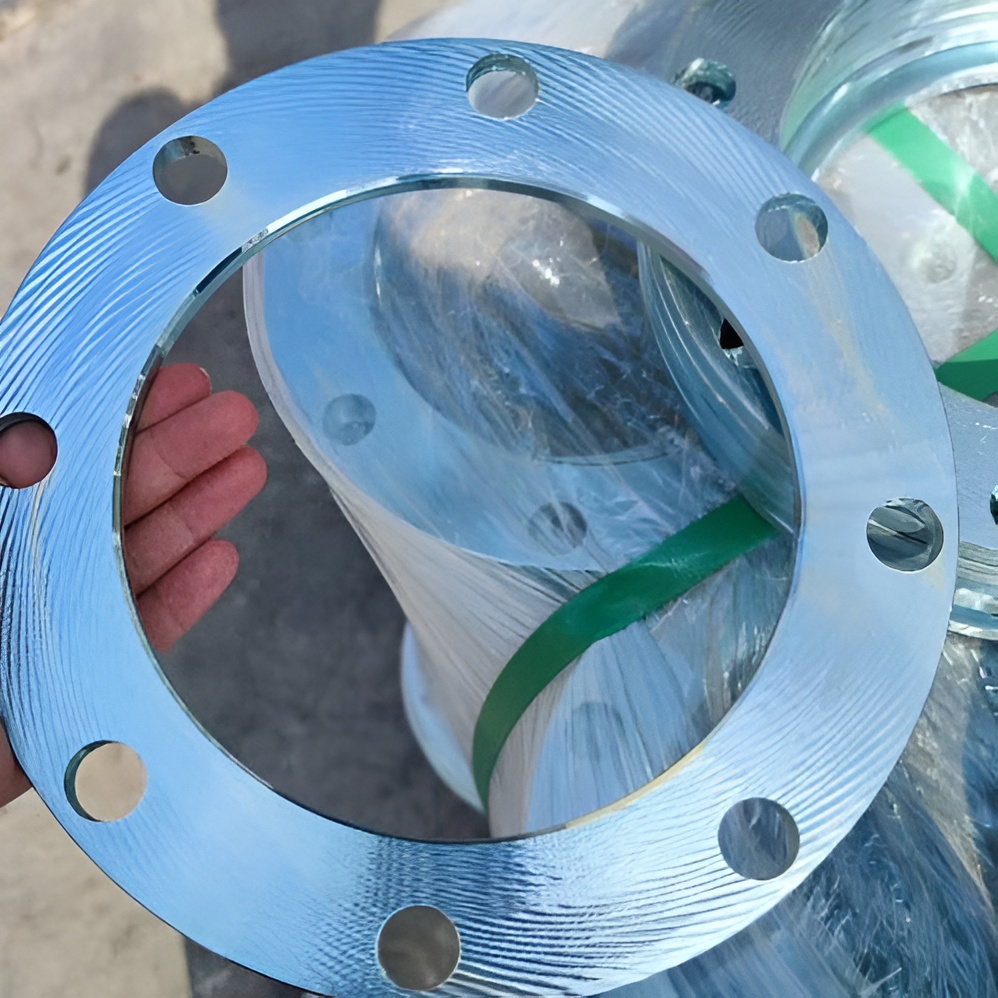
Description
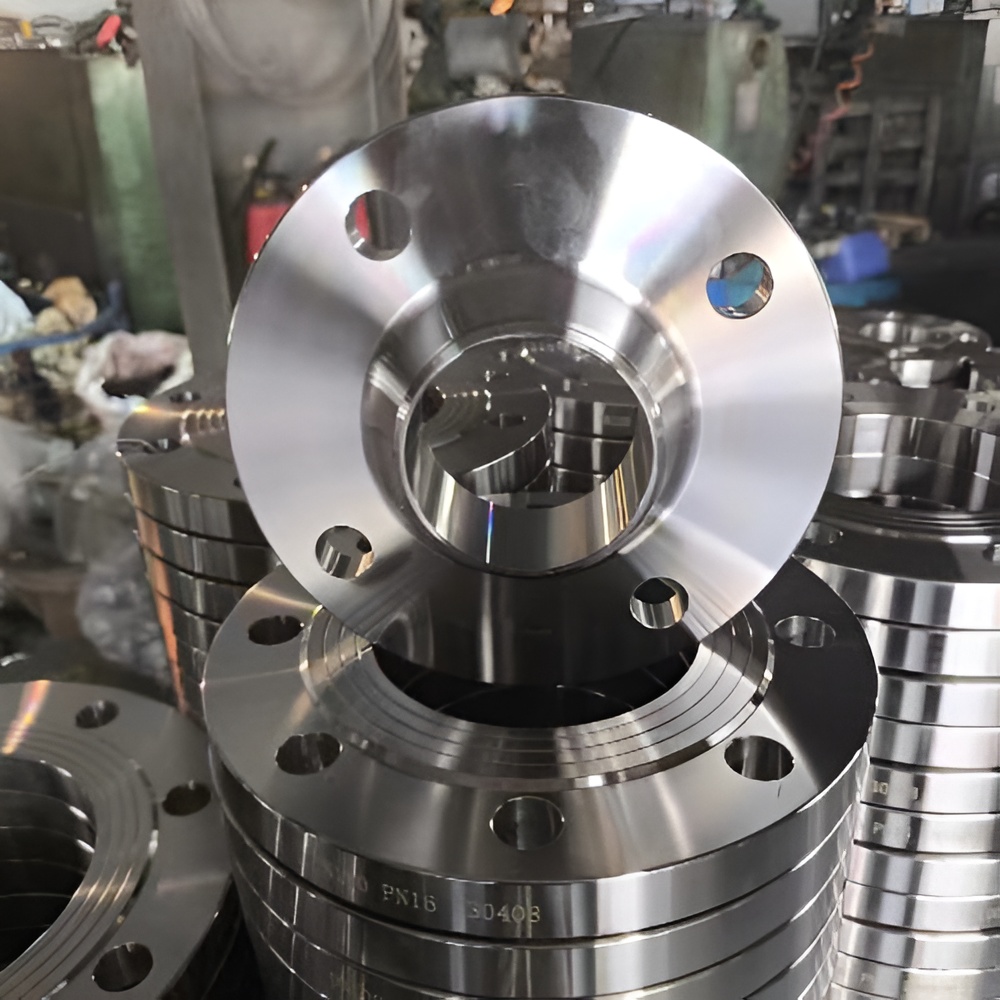
Lap Joint Flange systems combine two distinct components—a backing flange (lap joint flange) and a stub end—to create a unique connection solution that offers unparalleled alignment flexibility, corrosion resistance optimization, and maintenance accessibility. This modular design allows rotation of the flange independent of the stub end, facilitating easy bolt hole alignment while enabling the use of cost-effective materials in corrosive services.
Technical Specifications & Standards:
Material Specifications:
Backing Flange Materials: ASTM A105 (Carbon Steel), A36 (Plate), A283 (Low Carbon)
Stub End Materials: ASTM A312 (Pipe), A403 (Wrought Fittings), A182 (Forged)
Common Combinations: CS Backing Flange + SS Stub End for cost optimization
Stub End Types: Type A (Long Pattern), Type B (Short Pattern), Type C (Plate Lap)
Design & Manufacturing Standards:
Dimensional Standards: ASME B16.9 (Stub Ends), ASME B16.5 (Lap Joint Flanges)
Pressure Classes: 150#, 300#, 600#, 900# (Common), 1500#, 2500# (Available)
Stub End Lap Dimensions: Controlled thickness and radius per MSS SP-43
Facing Types: Flat Face (FF) standard, Raised Face (RF) available
Assembly: Stub end laps over flange face with close tolerance fit
Critical Design Features:
Rotational Capability: Flange rotates freely around stub end for bolt hole alignment
Modular Construction: Separable components for material optimization
Stub End Lap: Machined radius matches flange face for smooth contact
Gasket Surface: Provided by stub end lap, not flange face
System Flexibility: Easy disassembly and reassembly for maintenance
Manufacturing Excellence:
Stub End Forming: Cold or hot forming from pipe or plate
Flange Machining: Precision face and bore machining for proper stub end fit
Surface Finish: Controlled facing on stub end lap (critical sealing surface)
Dimensional Control: Tight tolerances for lap-to-flange interface
Quality Assurance: Separate certification for flange and stub end components
Performance Characteristics:
Pressure Rating: Determined by stub end thickness and material
Temperature Range: Limited by gasket and stub end material compatibility
Corrosion Optimization: Expensive materials only in contact with process fluid
Alignment Flexibility: 360° rotation capability during installation
Maintenance Advantage: Easy disassembly without pipe cutting
Quality Assurance Protocol:
Material Certification: Separate MTRs for flange and stub end
Dimensional Verification: Lap thickness, radius, and fit-up verification
Surface Inspection: Critical examination of stub end sealing surface
Fit-Up Testing: Sample assembly verification for production lots
Marking: Clear identification of both components
Reviews
There are no reviews yet.